
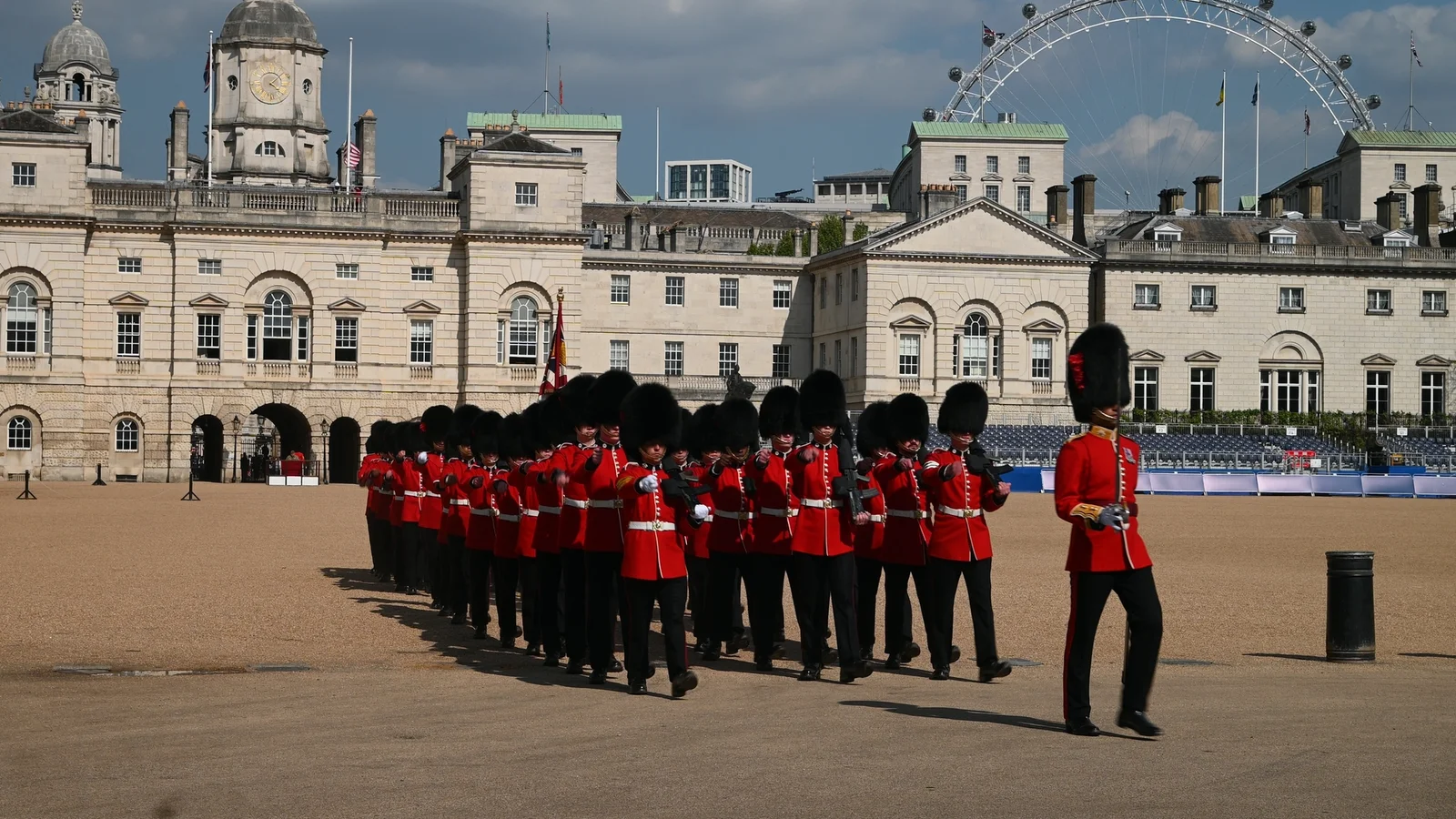
Travelling around England is an experience shaped by layers. Layers of history, culture, landscape and human story sit quietly beneath every path, road and river. England is a country where the past is not distant or hidden. It is present in the curve of a stone wall, the line of an ancient footpath, and the way towns and villages still follow patterns set hundreds or even thousands of years ago.
To travel around England is to move through a living archive. Roman roads remain in use. Medieval market towns still gather people weekly. Industrial waterways now host wildlife and walkers rather than cargo. England rewards those who slow down and pay attention, offering depth rather than spectacle and continuity rather than excess.
At Earth Explorer Pro we believe that meaningful travel comes from understanding how land and people shape one another over time. Travelling around England offers that opportunity at every scale, from long-distance walking routes to quiet village lanes and winding rivers.
Why Travelling Around England Remains Endlessly Compelling
England may be small in size, but it is vast in story. Every county holds a distinct identity shaped by geography, industry, belief and history. Travelling around England reveals how these differences developed and how they continue to influence daily life.
England has been inhabited continuously for thousands of years. Celtic tribes, Roman settlers, Anglo-Saxons, Vikings, Normans and later industrial populations all left their mark. Rather than erasing what came before, each era built upon it, creating the layered landscapes seen today.
- Travelling around England offers:
1. A rare continuity of settlement and culture
2. Accessible history embedded in everyday places
3. Diverse landscapes within short distances
4. A balance of rural quiet and urban energy
England does not demand attention through grandeur. It reveals itself through detail.
Fancy a walk around your local area? Go to: Walking Britain | Walks in the UK | Best Hikes in Britain
Understanding England Through Its Routes And Paths
England is a country defined by routes. Ancient trackways, Roman roads, medieval pilgrimage paths, canals, railways and footpaths connect the land in ways that remain visible today. Travelling around England by following these routes offers insight into how people have moved, worked, traded and lived for centuries.
Footpaths often follow boundaries older than recorded history. Bridleways trace medieval trade routes. Canals built during the Industrial Revolution cut through the countryside now reclaimed by nature. Railways reshaped towns and cities while still echoing earlier lines of movement.
Travelling around England becomes richer when routes are treated as destinations in themselves rather than simply means of transport.
Travelling Around England Through Its Rivers and Waterways
Rivers are central to understanding England. They shaped the settlement agriculture industry and trade. Travelling around England often means travelling alongside rivers that have quietly supported life for generations.
The Thames, Severn Trent, Avon and Ouse are not only geographical features but historical forces. Towns grew along their banks. Goods moved along their waters. Power was generated and communities formed.
The Thames Path in particular offers a powerful way to experience England. Beginning in Gloucestershire and flowing to the capital, the Thames reveals the transformation of a river from rural stream to tidal waterway. Walking alongside it shows how landscapes change gradually and how history accumulates rather than abruptly shifts.
Travelling along England’s rivers reveals ancient market towns and working locks, industrial heritage, alongside natural recovery, and the return of wildlife to once polluted waterways
Rivers show how England has changed and how it continues to adapt.
Walking As A Way Of Travelling Around England
Walking is one of the most meaningful ways to travel around England. The country is crisscrossed by public footpaths, allowing access to landscapes that remain largely unchanged.
Walking routes such as national trails, coastal paths and river walks reveal the slow transitions between regions. You notice how stone changes from limestone to sandstone, how dialects shift subtly and how farming patterns reflect soil and climate.
Walking encourages
Connection to place
Observation of detail
An understanding of time and distance
Travelling around England on foot allows you to experience the land as generations before did.
Landscapes That Shape Travelling Around England
England’s landscapes are varied and deeply influential. Travelling around England takes you through rolling countryside, rugged uplands, wetlands, coastlines and ancient woodlands.
The Lake District reflects a long relationship between farming, poetry and conservation. The Cotswolds reveal how stone and agriculture shaped villages. The North York Moors and Dartmoor show how harsher environments formed resilient communities.
Travelling through these landscapes offers insight into regional identity, an understanding of how people adapted to the land and a sense of continuity between nature and culture.
England’s landscapes are cultural as much as natural.
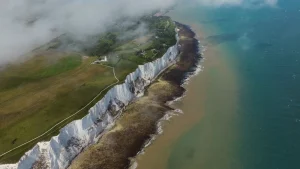
England’s Coastlines and Maritime History
Travelling around England also means engaging with its coast. England’s maritime history shaped trade defence and exploration for centuries.
Coastal towns reflect this legacy. Fishing villages, naval ports and trading hubs each tell different stories. The coastline also reveals England’s vulnerability to change from erosion to rising seas.
Travelling along the coast offers
Dramatic natural scenery
Historic ports and harbours
A sense of England’s relationship with the wider world
The coast reminds travellers that England has always been connected beyond its shores.

Cities As Living Historical Spaces In England
England’s cities are compact yet deeply layered. Travelling around England through its cities reveals how history shaped urban life.
London grew from a Roman trading post into a global city. York reflects Roman, medieval and Viking influence. Bath showcases Roman engineering and Georgian elegance. Manchester and Birmingham reveal the industrial transformation of society.
Cities in England offer
Walkable historic centres
Visible layers of development
Cultural institutions preserving memory and creativity
Urban travel in England is often about understanding how past functions shape present form.

Villages And Rural Life When Travelling Around England
Beyond cities, much of England remains rural. Villages often retain layouts established centuries ago. Churches, pubs and greens remain focal points of community life.
Travelling around England through villages reveals
Traditional architecture is tied to local materials
Agricultural rhythms shaping daily life
Strong connections between land and identity
Rural England offers quiet insight into continuity and change.
England’s Industrial Past And Its Transformation
The Industrial Revolution reshaped England profoundly. Travelling around England reveals remnants of mills, factories, canals and railways that once powered global change.
Many of these spaces have been reclaimed by nature or repurposed for culture and community. Industrial heritage sites now host museums, wildlife and creative projects.
Travelling through these areas shows
The scale of industrial impact
The resilience of landscapes
The possibility of renewal
England’s industrial story is central to understanding the modern world.
Nature And Rewilding In Modern England
Travelling around England today reveals a growing reconnection with nature. Rivers once polluted now support wildlife. Former industrial land has become a habitat.
Rewilding projects, wetlands and conservation areas demonstrate how landscapes can recover. Wildlife such as otters birds of prey and seals are returning.
Travelling through England offers
Hopeful examples of environmental recovery
Opportunities to witness nature alongside human life
A deeper understanding of stewardship
Nature in England is recovering through intention and care.
Food And Regional Identity When Travelling Around England
Food reflects landscape, history and culture. Travelling around England reveals regional specialities shaped by climate and tradition.
From coastal seafood to upland cheeses and agricultural produce, food tells local stories. Markets, pubs and small producers remain central to community life. Eating while travelling around England becomes a way to understand the place.
Slow Travel and Meaningful Exploration In England
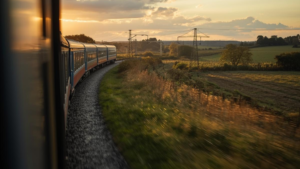
England is ideal for slow travel. Short distances allow deeper engagement. Walking, cycling, and train travel encourage presence rather than haste.
Slow travel enables a deeper historical understanding, fosters greater connections with communities, and promotes more sustainable exploration. At Earth Explorer Pro, we believe travelling around England is most rewarding when you follow routes rather than itineraries.
Challenges And Realities of Travelling Around England
England is not static or romanticised. It faces challenges including housing pressure, environmental strain and changing rural economies. Travelling around England with awareness allows travellers to see these realities alongside beauty and history.
Understanding complexity deepens appreciation.
Why Travelling Around England Leaves A Lasting Impression
England often reveals itself slowly. It may not overwhelm immediately, but it stays with you. Subtle moments accumulate into lasting understanding.
Travelling around England teaches the value of continuity, along with the importance of landscape in shaping culture and the power of quiet stories. It rewards curiosity, patience and attention.
Travelling Around England with Earth Explorer Pro
At Earth Explorer Pro, we see travelling around England as an act of exploration rather than consumption. It is not about rushing between highlights or collecting destinations, but about following rivers, paths, and stories to understand how a place has evolved over centuries. England reveals itself most clearly when you move through it slowly, paying attention to the details that are easy to miss when travelling at speed.
We believe that the most meaningful journeys are shaped by curiosity and context. Walking a river from its source, following an ancient trackway, or tracing the edge of a coastline allows you to experience England as a living landscape rather than a static destination. These routes show how people have interacted with the land over time, how communities formed, and how nature and human life continue to adapt alongside one another.
England cannot be fully known in a single journey. Each return uncovers new layers. A familiar place changes with the seasons, the light, and your own perspective. What once felt quiet reveals hidden stories. What once felt ordinary becomes meaningful through understanding. This sense of continual discovery is what keeps exploration alive.
Travelling around England is not about ticking off landmarks or chasing spectacle. It is about walking through time, where every path carries memory and every landscape holds traces of those who came before. Through this approach, travel becomes a way to connect deeply with place, history, and the present moment, creating journeys that stay with you long after you have left the path behind.
Curious to learn more about the Thames Path? Visit our Thames Path Walk blog to discover who we are, what we do, and how you can explore the world with us.